
What is Proteinuria?
Proteinuria means there is too much protein in your urine. Normally, your kidneys filter waste but keep important things like protein in your blood. However, when the kidneys do not work well, protein can leak into the urine. This condition is often a sign of kidney problems. Many people ask, “What is proteinuria?” Simply put, it is a warning that your kidneys may need attention.
Common Causes of Proteinuria
There are several reasons why protein may appear in your urine. Sometimes, it is temporary and harmless. Other times, it points to a health issue. For example, these are some common protein in urine causes:
Because causes vary, it is important to find out why proteinuria is happening.
Recognizing the Symptoms of Proteinuria
Often, proteinuria does not cause clear symptoms at first. Yet, as it gets worse, you may notice signs of kidney problems. For instance, watch for these symptoms:
However, many people do not feel sick until the problem is serious. Therefore, regular check-ups are important, especially if you have risk factors like diabetes or high blood pressure.
How is Proteinuria Diagnosed?
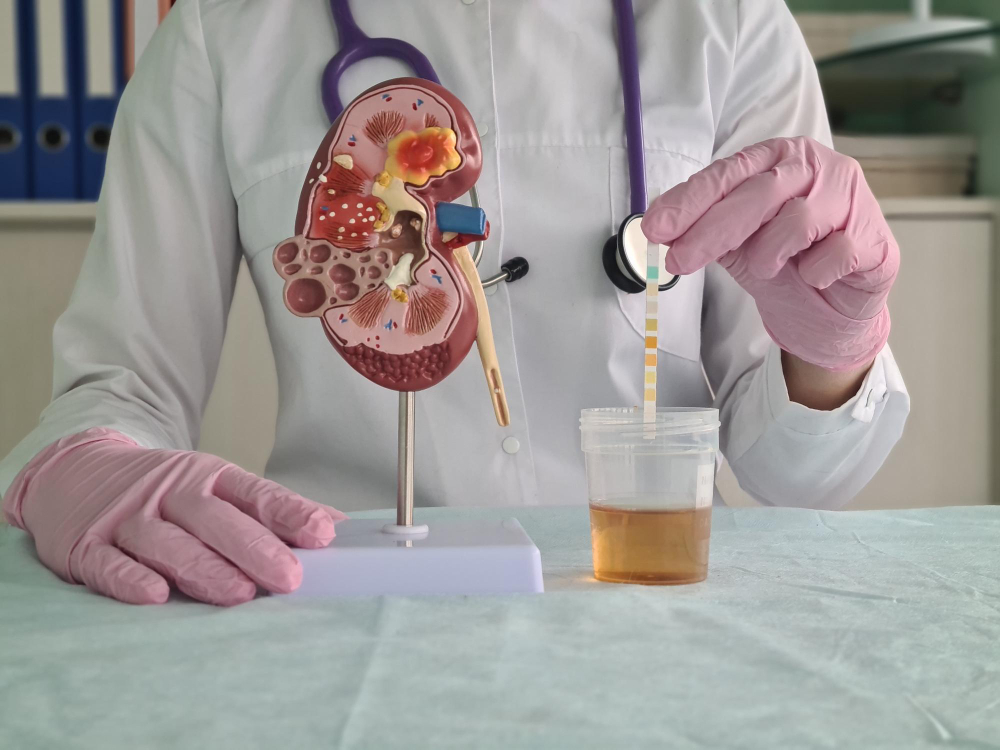
Doctors use simple tests to check for proteinuria. First, a urine test can show if there is protein in your urine. Sometimes, you may need to collect urine over 24 hours for a more accurate result. In addition, blood tests can check how well your kidneys are working. If needed, your doctor may order more tests, such as an ultrasound or a kidney biopsy. Early diagnosis helps prevent further kidney damage. According to the CDC, regular screening is key for people at risk.
Treatment Options for Proteinuria
Treatment depends on the cause of proteinuria. For example, if high blood pressure or diabetes is the reason, controlling these conditions can help. Here are some common proteinuria treatment options:
Sometimes, proteinuria goes away when the underlying problem is treated. However, ongoing care is often needed to protect your kidneys.
Lifestyle Tips and Prevention
Healthy habits can lower your risk of proteinuria and protect your kidneys. For instance, try these tips:
Additionally, regular check-ups help catch problems early. The World Health Organization recommends routine screening for people with risk factors.
When to See a Doctor
If you notice foamy urine, swelling, or other signs of kidney problems, see a doctor soon. Also, if you have diabetes, high blood pressure, or a family history of kidney disease, regular testing is important. Early treatment can prevent serious health issues later. Remember, only a healthcare professional can diagnose and treat proteinuria correctly.
Consult a healthcare specialist for personalized advice about proteinuria or any kidney health concerns.