
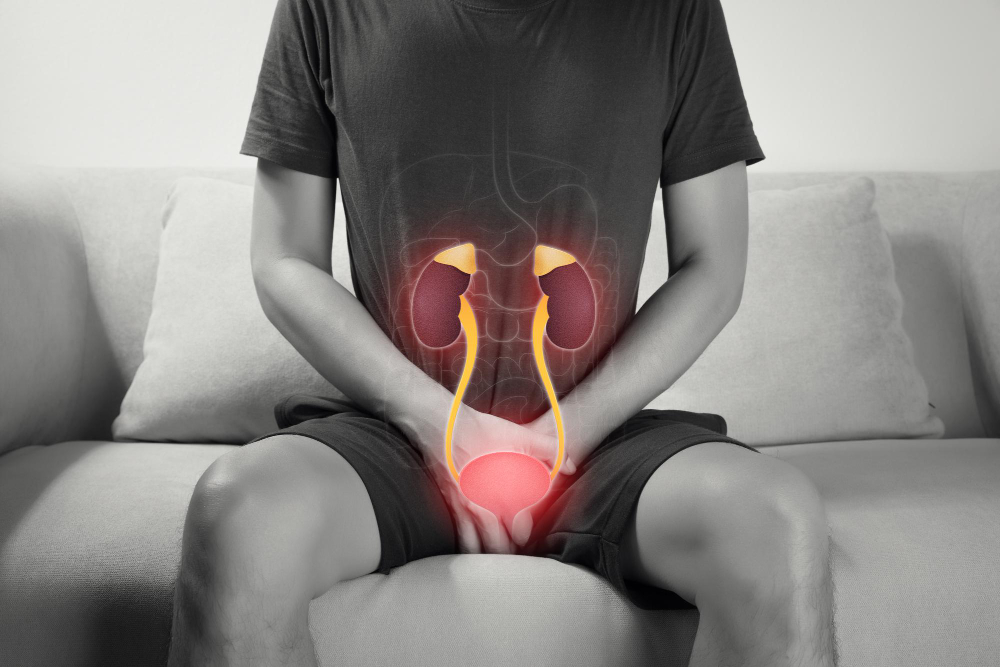
What is Kidney Blockage (Hydronephrosis)?
Kidney blockage, also called hydronephrosis, happens when urine cannot flow out of the kidney. Instead, urine builds up, causing the kidney to swell. This swelling can damage the kidney if not treated. In many cases, doctors use image-guided drainage options to help remove the trapped urine. These treatments are safe and often minimally invasive.
Common Symptoms and Causes
Often, people with hydronephrosis may not notice symptoms right away. However, as the blockage gets worse, some signs may appear. For example, you might feel pain in your side or back. You may also notice:
There are several causes of kidney blockage. For instance, kidney stones can block the flow of urine. Sometimes, an enlarged prostate or tumors can also cause hydronephrosis. In children, birth defects may lead to this problem. In the United States, kidney stones are a common cause among adults.
How is Hydronephrosis Diagnosed?
Doctors use different tests to find out if you have hydronephrosis. First, they may ask about your symptoms and medical history. Next, they often use imaging tests, such as:
With these tests, doctors can see where the blockage is and how severe it might be. Early diagnosis helps prevent kidney damage.
What are Image-Guided Drainage Options?
When urine cannot drain on its own, doctors may use image-guided drainage options. These are safe, effective, and often done without major surgery. For example, a common method is an image-guided nephrostomy. In this procedure, a doctor uses ultrasound or X-ray images to guide a thin tube into the kidney. This tube helps drain urine directly from the kidney to a bag outside the body.
Other image-guided drainage options include:
These hydronephrosis treatment options are considered minimally invasive kidney drainage methods. They help relieve pressure and prevent further kidney damage.
Benefits and Risks of Image-Guided Drainage
There are many benefits to image-guided drainage. For instance, these treatments are less invasive than open surgery. They often require only a small cut in the skin. As a result, recovery is usually faster and less painful. Additionally, doctors can quickly relieve symptoms and protect kidney function.
However, there are some risks to consider. For example, you may have mild bleeding or infection at the tube site. Rarely, the tube may move out of place. But, most people recover well with proper care. Your doctor will explain the risks and benefits before the procedure.
Recovery and Aftercare Tips
After image-guided drainage, you will need to care for the tube and the skin around it. Here are some helpful tips:
Most people can return to normal activities soon after the procedure. However, always check with your doctor before resuming exercise or heavy lifting.
Prevention and Lifestyle Guidance
While not all cases of hydronephrosis can be prevented, some steps may help lower your risk. For example, you can:
With healthy habits, you may reduce your risk of kidney blockage and protect your kidneys for years to come.
Consult a kidney specialist for personalized advice on hydronephrosis and drainage options.