
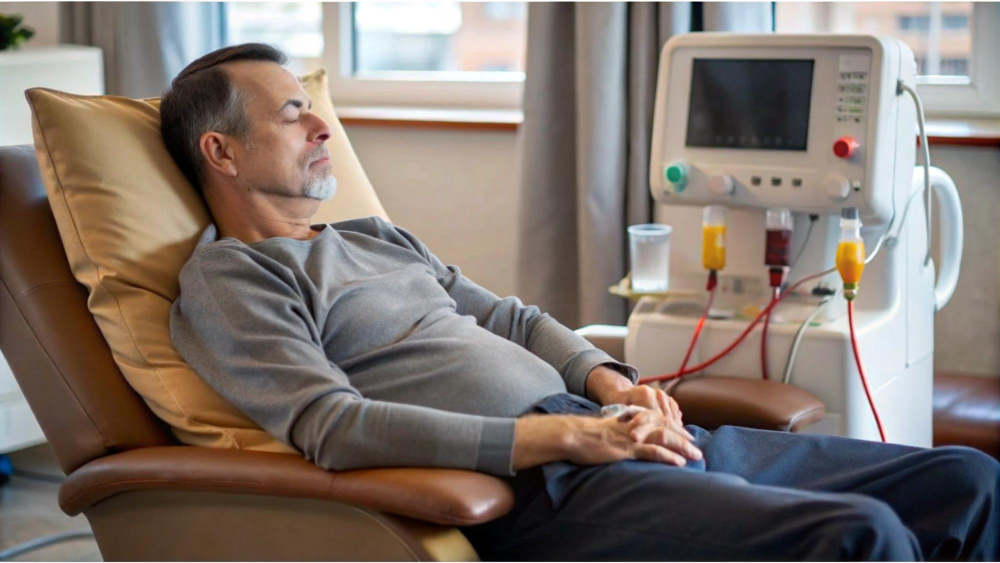
Caring for Your AV Fistula at Home: Easy Tips for Safe Dialysis

What is an AV Fistula?

An arteriovenous (AV) fistula is a special connection made by a surgeon. It joins an artery and a vein, usually in your arm. Doctors use it as a safe access point for dialysis. Because it is under your skin, you cannot see it, but you can feel a gentle vibration or “thrill.” This access is important for people with kidney failure who need regular dialysis.

Why Proper AV Fistula Care Matters

Proper AV fistula care at home helps keep your dialysis access working well. If you care for your AV fistula every day, you lower the risk of infection, clotting, or other problems. In fact, the Centers for Disease Control and Prevention (CDC) says that good care can help your fistula last longer. Also, it helps you avoid hospital visits and keeps your dialysis on schedule.

Daily Care Tips for Your AV Fistula at Home

Every day, you can take simple steps to protect your AV fistula. For best results, follow these tips:

  • Wash your arm with soap and water before each dialysis session.
  • Check your fistula for redness, swelling, or pain every day.
  • Feel for the “thrill” (gentle vibration) over your fistula. If you do not feel it, call your doctor.
  • Keep your fistula area clean and dry between treatments.
  • Do not wear tight clothes or jewelry on the arm with the fistula.
  • Never let anyone take blood pressure, draw blood, or place an IV in your fistula arm.
  • Protect your arm from cuts, bumps, or injuries.
  • Change bandages as your care team instructs.
  • Signs of AV Fistula Problems

    Sometimes, problems can develop even with good AV fistula maintenance. Watch for these warning signs:

  • Redness, warmth, or swelling around the fistula
  • Pain or tenderness in the area
  • Bleeding that does not stop after dialysis
  • No “thrill” or vibration when you touch the fistula
  • Hand or fingers feel cold, numb, or blue
  • Pus or drainage from the fistula site
  • If you notice any of these, act quickly. Early action can prevent serious problems.

    When to Seek Medical Help

    Although minor soreness can happen, some signs mean you should call your doctor right away. For example, seek help if:

  • You cannot feel the “thrill” in your fistula.
  • Your arm becomes red, swollen, or very painful.
  • You have a fever or chills.
  • There is heavy bleeding that will not stop.
  • Your hand or fingers turn blue or pale.
  • Because fast treatment can save your fistula, do not wait if you are worried.

    Prevention Tips and Lifestyle Guidance

    With a few simple habits, you can keep your AV fistula healthy. For example, try these prevention tips:

  • Exercise your fistula arm as your care team suggests. Squeezing a soft ball can help strengthen your veins.
  • Eat a healthy diet and stay hydrated, unless your doctor says otherwise.
  • Do not sleep on your fistula arm.
  • Protect your arm from injury during daily activities.
  • Follow all instructions from your dialysis team.
  • Additionally, avoid smoking and manage health conditions like diabetes or high blood pressure. These steps support your overall health and your dialysis access care.

    Frequently Asked Questions

  • How often should I check my AV fistula?
  • Check your fistula every day for signs of problems. Always feel for the “thrill.”
  • Can I shower with my AV fistula?
  • Yes, but keep the area clean and dry after. Follow your care team’s advice about bandages.
  • Is it safe to lift heavy objects with my fistula arm?
  • It is best to avoid heavy lifting or pressure on your fistula arm.
  • What if I see a small bruise?
  • Small bruises can happen. However, if you see large bruises or swelling, call your doctor.
  • Can I travel with an AV fistula?
  • Yes, but plan ahead. Bring supplies and know where to get dialysis at your destination.
  • In summary, caring for your AV fistula at home is key for safe and effective dialysis. With daily care, you can help prevent problems and keep your access working well. For any questions or concerns, consult your healthcare provider for advice tailored to your needs.