
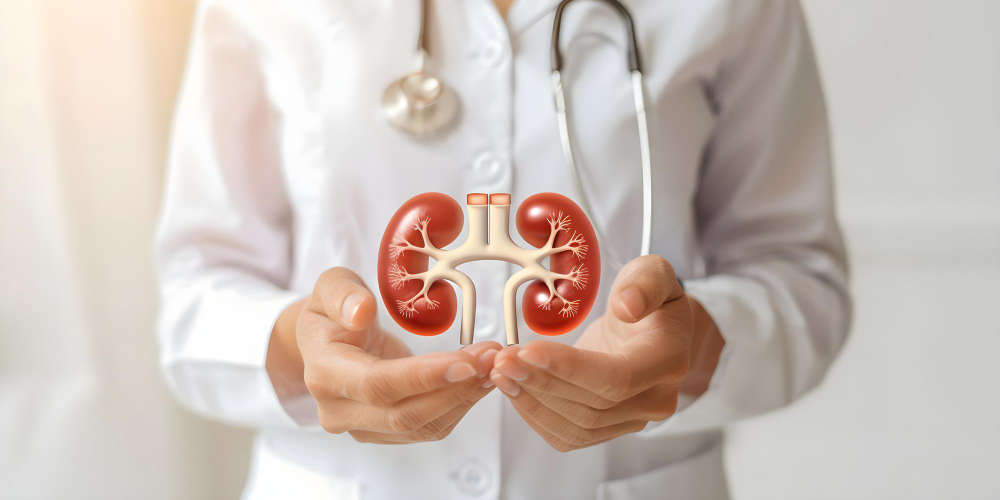
What is Acute Kidney Disease?
Acute kidney disease, also called acute kidney injury, happens when your kidneys stop working suddenly. Because kidneys help remove waste and extra fluid from your blood, this condition is serious. If your kidneys do not work well, waste builds up quickly. As a result, your body can get sick fast. Acute kidney disease can develop in just a few hours or days. Unlike chronic kidney disease, which develops slowly, acute kidney disease needs quick medical attention. Early treatment can help your kidneys recover and prevent lasting damage.
Common Symptoms
Often, symptoms of acute kidney disease appear quickly. However, some people may not notice signs right away. Watch for these common symptoms:
If you notice any of these symptoms, seek medical help. Early care can make a big difference.
Main Causes
There are several reasons why acute kidney disease can happen. For example, it may result from:
Sometimes, more than one cause can be involved. Because of this, doctors look for all possible reasons before starting treatment.
How is Acute Kidney Disease Diagnosed?
Doctors use several tests to diagnose acute kidney disease. First, they ask about your symptoms and medical history. Next, they may order:
Sometimes, doctors may do other tests to find the cause. Early diagnosis helps guide the best treatment.
Treatment Options
Treatment for acute kidney disease depends on the cause and how severe it is. Usually, doctors focus on:
Most people recover if they get treatment early. However, some may need ongoing care if the kidneys do not heal fully.
Prevention Tips
Although not all cases can be prevented, you can lower your risk. Consider these tips:
Because prevention is easier than treatment, these steps can help protect your kidneys.
Lifestyle Guidance for Kidney Health
Healthy habits support your kidneys every day. For example, you can:
Even small changes can make a big difference over time. Because your kidneys are vital, caring for them is important.
In summary, acute kidney disease is a sudden loss of kidney function. Early signs and quick treatment can help you recover. Consult a healthcare specialist for personalized advice on acute kidney disease.